- Dec 1, 2025
Dating Anxiety: What It Is & How to Overcome It
Dating anxiety is more common than you think—and understanding it is the first step towards transforming your dating experience. This comprehensive guide will help you navigate the emotional landscape of early-stage dating with confidence and clarity. Here's everything you need to know about dating anxiety and how to overcome it.
What Is Dating Anxiety? Understanding the Basics
Dating anxiety is a specific form of relationship anxiety that typically appears in the early stages of dating when you're single. It involves feelings of nervousness, fear, and worry about dating interactions, often triggered by uncertainty and vulnerability.
Unlike general social anxiety, dating anxiety focuses on romantic connection fears: rejection, not being good enough, or making mistakes. It's the knot in your stomach before a first date, the obsessive text analysis at 2am, or the voice in your head questioning whether you're "too much" or "not enough."
In a nutshell, the essence of dating anxiety is:
Nervousness & Fear: It's the heightened worry about dating interactions and outcomes.
Romantic Focus: Your anxiety is specifically centred around intimate connection rather than general social situations.
Vulnerability Triggers: It is activated by the uncertainty inherent in opening your heart.
Why Does Dating Anxiety Happen? The Root Causes
Understanding where dating anxiety comes from is crucial for addressing it effectively. After all, the roots often run deeper than simply "being nervous" about a date.
Dating anxiety is usually stirred up by:
1) Past Relationship Wounds
Previous heartbreaks or betrayals can leave emotional scars that heighten anxiety in new dating situations. Your mind creates protective mechanisms to avoid repeating painful experiences.
These intense emotional experiences engrain neural pathways in the brain, essentially creating "shortcuts" that automatically trigger fear or avoidance responses in similar situations.
The brain's threat detection system (amygdala) becomes hypervigilant, constantly scanning for signs of danger, even subtle ones, leading to chronic stress and anxiety in dating.
This vigilance can cause you to misinterpret neutral or ambiguous dating situations as threatening, activating the same fear responses as past traumas.
While this protective mechanism is meant to keep you safe, it can inadvertently sabotage new relationships by generating anxiety where none is warranted, making it difficult to form secure and healthy connections.
2) Fear of Rejection
This is especially common if you've experienced inconsistent or hurtful partners who left you questioning your worth.
Past dating experiences, especially negative ones, can significantly contribute to a fear of rejection in future relationships. After all, it's a psychological defense mechanism where the brain tries to protect you from future emotional pain by avoiding situations where rejection is possible.
Likewise, going even further back - past inconsistent attachment, where caregivers were sometimes responsive and sometimes neglectful, teaches the brain to anticipate rejection and abandonment, fueling intense anticipatory anxiety in dating contexts.
It makes sense, as from an evolutionary psychology perspective, social rejection was historically a threat to survival, leading to an innate rejection sensitivity.
When anticipating rejection, the body activates the fight-or-flight response, releasing cortisol (the stress hormone), leading to physical and emotional symptoms of anxiety.
The thing is - we have to readjust and be able to assess situations ourselves, which is why it's CRUCIAL to identify and work towards overcoming dating anxiety, once and for all.

3) Societal Pressures
What else can cause dating anxiety? Well, social pressures. Women aged 24-39, in particular, often face overwhelming expectations to "settle down" or "find the right partner," creating additional stress around every dating interaction.
Social comparison theory explains how individuals evaluate their own worth by comparing themselves to others, especially peers.
When media and cultural messaging bombard individuals with idealized relationship timelines and images, it can significantly impact self-worth, creating feelings of inadequacy if one doesn't conform.
These external timelines act as powerful stressors, triggering chronic stress responses and increasing anxiety about dating as a means to meet perceived societal obligations.
4) Attachment & Insecurity
And lastly, we've got to mention - your attachment style in all of this, as it often tends to tie everything altogether. Your attachment style, formed in childhood and reinforced through relationships, significantly influences how dating anxiety manifests in your life.
Attachment theory posits that early caregiving patterns shape internal working models of self and others, impacting all future relationships. For instance, inconsistent or neglectful early care can lead to anxious-preoccupied or avoidant attachment styles in adulthood.
We break the anxious attachment style down here if you'd like to have a read. This is so commonly at the root cause of dating anxiety - and it can form even if you had the best of upbringings (believe it or not!), so it's important to understand.
Neurobiological studies show that these styles are associated with differences in brain regions involved in emotional regulation, reward, and social bonding, such as the prefrontal cortex and limbic system. These differences contribute to heightened emotional reactivity and anxiety in adult romantic relationships.
How Dating Anxiety Shows Up: Real-Life Examples
Dating anxiety manifests differently for everyone, but certain patterns are remarkably common. We've been lucky enough to work with women all over the world, helping them to heal their relationship anxiety. So here's some real-life examples, that you may be able to recognise yourself in, in some ways...
Recognising yourself in these examples is the first step towards change.
Sarah's Story
Sarah, 29, obsessively reread texts from her date, analysing every word and punctuation mark. When he doesn't reply immediately, she'd spirals into worry: "Did I say something wrong?"-
Emma's Experience
Emma, 35, felt paralysed before dates, imagining worst-case scenarios like being judged for her career choices or rejected for not being "fun enough." It made her put of dating altogether for so long.
-
Lucy's Pattern
Lucy, 27, found herself people-pleasing on dates, agreeing to everything to avoid conflict or disapproval, even when it meant ignoring her own preferences and hiding who she really is.
Ell's Story:
Ell wrote all about her battle with dating anxiety over on this article: How I'd Destroy My Dating Anxiety If I Could Go Back. If you're looking for more relatable, specific advice on dating anxiety, from a healed self love specialist, this post is your go-to for sure!
What's important to remember here is that although these behaviours are common and understandable, they can sabotage your chances of forming genuine connections. The good news? With awareness, you can transform these patterns. Recognising yourself in these examples is the first step towards change.
ACTION TASK: Pause here for a few moments and jot down how dating anxiety is showing up in your life.

12 Clear Signs Of Dating Anxiety
Dating anxiety can manifest in subtle and overt ways, often creating a cycle of self-doubt and avoidance. If you're still feeling unsure - here's 12 clear signs of dating anxiety, to help give you a little extra clarity:
1) Obsessive Analysis
You find yourself overthinking every text message, agonizing over response times, or replaying entire conversations in your head, searching for hidden meanings or potential signs of disinterest.
2) Catastrophic Thinking
Before, during, or after a date, your mind races to worst-case scenarios. You anticipate judgment, rejection, or believe that any minor misstep will lead to the complete collapse of a potential relationship.
3) Comparison Trap
You constantly compare yourself to others, especially your date's exes or other potential matches, feeling like you don't measure up to perceived ideals.
4) Perfectionism Paralysis
You spend excessive time preparing for dates, obsessing over appearance, outfit choices, or what to say, feeling like everything must be perfect to avoid any criticism or flaw.
5) Future Fantasy Spirals
Your mind either races to plan an entire future together after just one good date, or you immediately write off any potential connection after one perceived misstep, swinging between extremes.
6) Validation Seeking
You constantly look for signs that your date likes you, needing excessive reassurance, or feeling that your self-worth and happiness are entirely dependent on their approval.
7) Inauthenticity & Self-Doubt
You struggle to be your true self, fearing you're "too much" or "not enough." This leads to people-pleasing, hiding your true preferences, or constantly seeking reassurance from your date.
8) Clingy Behaviour
Once you start liking someone, anxiety can manifest as excessive texting, constant reassurance-seeking, or difficulty respecting boundaries.
9) Social Media Stalking
You obsessively check your date's social media profiles or dating app profile, analyzing their activity, who they follow, who likes their posts, when they've last been online, and reading into every online interaction.
10) Mental Overthinking
Replaying every conversation, analysing tone and body language, catastrophising outcomes. Your mind becomes a relentless critic, questioning every interaction.
11) Emotional Rollercoaster
You experience extreme mood swings based on dating interactions – feeling euphoric after a good text exchange or exciting date, but devastated if they don't respond quickly or blow hot then cold, with your entire day's mood depending on dating-related events.
12) Physical & Behavioral Avoidance
You experience physical symptoms like a racing heart, upset stomach, or sweating before dates, leading you to procrastinate, cancel plans, or even avoid dating altogether to escape the discomfort.

The Role of Safety Behaviors in Dating Anxiety
Now here's an interesting insight into dating anxiety if you're looking to understand it fully...
See, safety behaviors are coping strategies that feel protective but actually maintain anxiety by preventing authentic connection and reinforcing fears.
Common safety behaviors include avoiding eye contact, rehearsing conversations obsessively, checking your phone constantly, or seeking excessive reassurance from dates.
But here's how this cycle tends to go:
It Feels Safe: Safety behaviours temporarily reduce anxiety and make you feel protected from potential rejection.
Prevents Connection: The thing is, these behaviours create barriers to genuine intimacy and authentic expression of your true self.
Maintains Anxiety: Ironically, safety behaviours reinforce the belief that dating is dangerous, keeping you stuck in anxious patterns.
For example, constantly seeking reassurance from a date can push them away, ironically increasing the very anxiety you're trying to relieve.
It's food for thought, isn't it? ASK YOURSELF: What safety behaviors might you currently have in place?
The Impact of Social Media on Dating Anxiety
Social media has also transformed modern dating - and not always for the better. It can amplify dating anxiety by encouraging comparison and over-analysis at every turn, like we touched on above.
A few things you need to be aware of:
The Comparison Trap: Seeing a date's photos with other people—especially attractive women—can trigger spirals of jealousy and insecurity. "Is he interested in her? Am I not pretty enough?"
The Response Time Game: Obsessing over when someone views your story, how long they take to reply, or whether they're "active now" turns dating into an exhausting surveillance operation.
Perfection Pressure: The pressure to present a perfectly curated version of yourself online adds another layer of stress to an already vulnerable experience.
Digital Detox Tip: Consider limiting social media stalking by setting specific times to check apps, or temporarily muting someone's profile if it triggers anxiety spirals.
It may sound "extreme" if you're not used to doing things like this. But it's NOT. Remember, there's no sham in dating anxiety or any of the behaviors that happen as a result. The less embarrassed you feel by it, the more likely you are to take the action you need to, to overcome it.

9 Practical Strategies to Manage Dating Anxiety
So let's start to look at the way forward, shall we?
After all, whilst dating anxiety can feel overwhelming, there are concrete strategies that genuinely help. These aren't quick fixes, but tools to build lasting resilience by addressing the psychological roots of anxiety.
See if you want to learn how to manage your dating anxiety, instead of allowing it to take over and control you, some general recommendations are as followed:
1) Understand Your Triggers & Responses
You can't control whether someone likes you back, but you can control your actions, boundaries, and self-care practices.
Psychologically, this means becoming aware of what specific situations trigger your anxiety (e.g., waiting for a text, first dates), and how your body and mind typically react.
From there, you can redirect your energy towards managing your internal state and observable behaviors.
"The goal isn't to eliminate anxiety entirely—it's to prevent anxiety from controlling your choices and preventing genuine connection."
2) Practice Cognitive Restructuring
Challenge negative thought patterns by identifying catastrophic or irrational thoughts ("I'll be alone forever," "They secretly hate me"). Ask yourself for evidence, consider alternative interpretations, and reframe them into more balanced and realistic thoughts. This technique, rooted in Cognitive Behavioral Therapy (CBT), helps dismantle anxiety's core beliefs.
3) Embrace Mindful Presence
Stay present rather than catastrophizing future outcomes. When anxiety spirals start, ground yourself using techniques like the 5-4-3-2-1 method (notice five things you can see, four you can touch, three you can hear, two you can smell, one you can taste).
Mindfulness detaches you from anxious thoughts, bringing you back to the current, controllable moment.
Oh, and by the way - if you've never tried things like this before, you might rule it straight out, assuming that it's "not for you", but I think you'll be surprised, so try to remain open-minded. You have nothing to lose by giving it a go, right?
4) Implement Gradual Exposure
Based on principles of exposure therapy, confront your dating fears in small, manageable steps. Start with low-stakes interactions (e.g., a short coffee date) and gradually increase the challenge. This desensitizes you to anxiety-provoking situations, building confidence and reducing the intensity of fear over time.
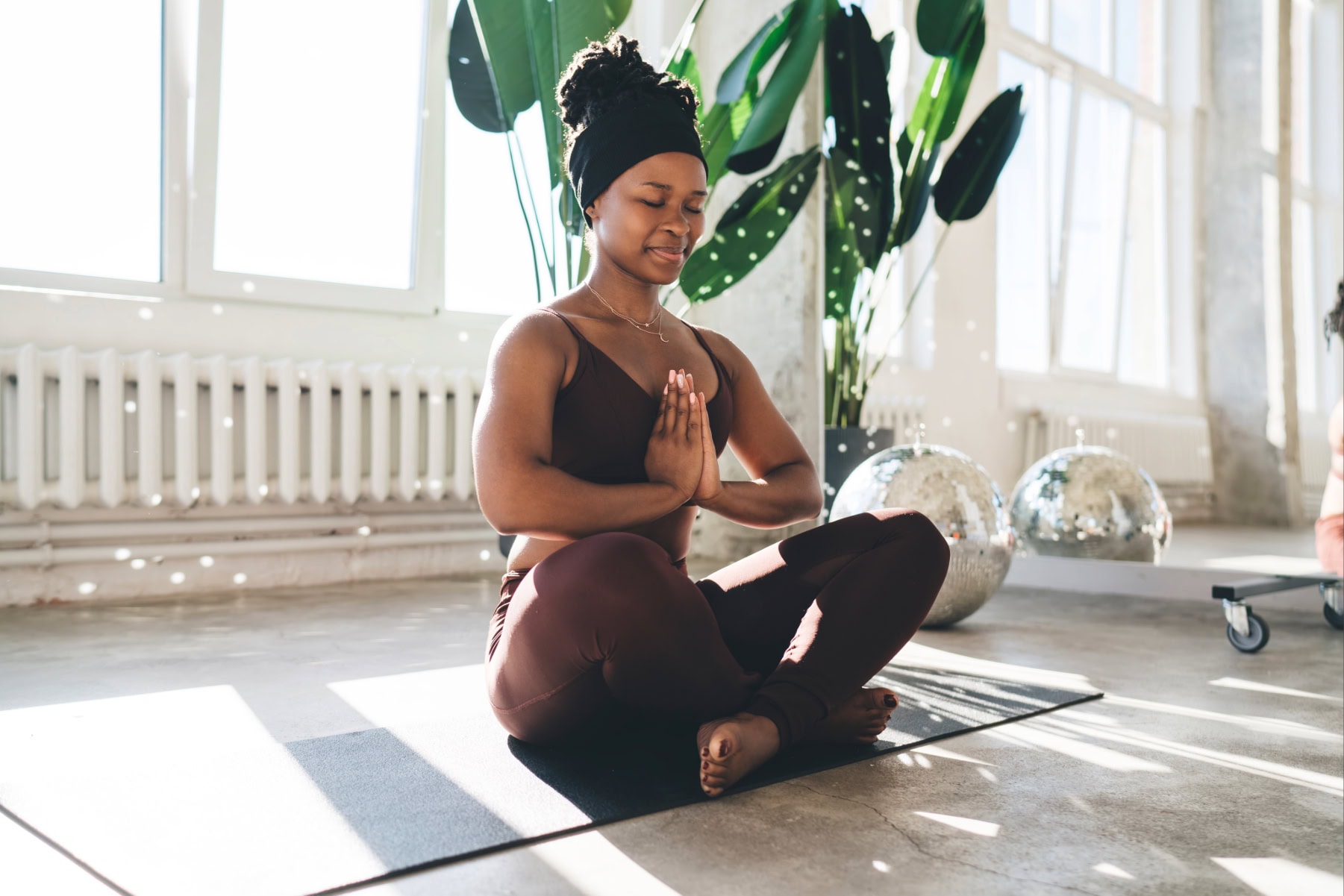
5) Develop Self-Soothing Techniques
Have a repertoire of tools to calm your nervous system when anxiety strikes. This might include deep breathing exercises, progressive muscle relaxation, listening to calming music, or engaging in a comforting activity. These techniques help regulate physiological arousal and prevent anxiety from escalating.
6) Set & Enforce Clear Boundaries
Beyond just digital boundaries, establish clear personal boundaries in dating. This includes communicating your needs, respecting your time and energy, and knowing what you will and won't accept.
Healthy boundaries, rooted in self-respect, reduce anxiety by creating a sense of safety and control in your interactions.
7) Practice Attachment-Aware Dating
Understand your own attachment style (secure, anxious, avoidant) and how it influences your dating behaviors and anxieties. Learning about attachment theory helps you identify unhealthy patterns, choose partners who align with secure attachment, and communicate your needs more effectively, leading to more stable and less anxious connections.
8) Align with Your Values & Build Self-Worth
Make dating decisions based on your core values, not solely on external validation. When you prioritize what truly matters to you and cultivate a strong sense of secure self-worth independent of relationship status, dating anxiety significantly diminishes.
Remind yourself: "I'm enough exactly as I am, regardless of a partner's opinion."
9) Embark on a 30-Day Relationship Anxiety Challenge
Ready for change? Then we've created a 30 Day Relationship Anxiety Challenge that guides you through practical strategies like these, day-by-day.
Available for sign-up now, this challenge helps you take small, consistent daily actions using proven psychological tools to heal your dating and relationship anxiety. It helps you find love far faster and easier, whilst in turn - setting you up for success for when you do find love.
That's right, we cut through the theory to give you daily, actionable steps that empower you to implement proven psychological tools immediately. Plus, you'll gain access to a supportive community of like-minded women who understand your journey.
Hundreds have already transformed their dating lives with us, learning to:
Stop overthinking every text message and enjoy the present moment.
Feel confident and authentic on dates, letting your true self shine.
Break free from the anxiety-avoidance cycle that holds you back.
Attract healthy, secure partners who align with your deepest desires.
Sustain healthy, secure habits for your next, successful future relationship.
This challenge is your opportunity to heal dating anxiety, set yourself up for lasting love, and build resilience that extends far beyond dating.

Join me - click here to take on my 30 Day Relationship Anxiety Challenge - perfect for when you're single and battling dating anxiety. I've purposely designed it with both in mind. 🤎🤎
Not ready for that just yet? Then start with our FREE Relationship Anxiety Ebook initially - there's no cost, no risk, nothing to lose. But it's a great introduction into it, and adds A LOT of value, honestly!
How The Right Person Can Help You Work Through Your Dating Anxiety
Healing your dating anxiety is your responsibility. It's also in your control - which is a good thing. But if you've met the right person already, and they're seeking to better understand and support you, you can work together on it in some ways too.
PERSONAL STORY FROM OUR FOUNDER: This is what happened when I met my soulmate (now husband) - his love, kindness and patience made the process far easier - he stepped up, instead of walking away, which gave me the confidence and courage to heal - not necessarily faster - but a lot fuller. So from a personal perspective, here's what I recommend you do...
1) Initiating the Conversation
Choose a calm, non-date setting to discuss your anxiety, either taking the intiative to bring it up, or taking the opportunity to discuss it properly, if the conversation naturally starts to go that way.
2) Explain Your Triggers & Needs
When they ask "What can I do?", offer practical suggestions. Explain how certain situations (e.g., slow text responses, unclear plans) might trigger anxiety and what specific actions can help, like: "A quick 'got your message, busy now, talk later!' text helps a lot."
3) Guide on Reassurance & Consistency
Help them understand that gentle, unsolicited reassurance can be incredibly helpful. Ask for consistency in communication and plans, explaining that "Predictability helps calm my anxious thoughts, so consistent check-ins or confirming plans go a long way."
4) Clarify Behavior vs. Intent
Explain that some anxious behaviors (e.g., needing more clarity, appearing hesitant) stem from anxiety, not a lack of interest in them. "If I seem quiet or ask a lot of questions, it's my anxiety, not that I'm uninterested or upset with you."
5) Encourage Not Taking it Personally
Reassure your partner that your anxiety isn't their fault or a sign they're doing something wrong. Emphasize that your feelings are your responsibility, and that their understanding helps create a safe space for you both. "It's not about you, it's about my internal struggles, and your patience helps me manage them."

That's All For This One - Let's Round It Up
So I hope this has provided a strong starting point for helping you understand dating anxiety.
In essence, dating anxiety is a natural response to vulnerability and the deep desire for meaningful connection. It doesn't make you broken—it makes you beautifully human. But thankfully, it also doesn't have to be this way forever. So start by:
Awareness: Understanding your anxiety patterns is the foundation for transformation.
Self-Compassion: Treat yourself with kindness throughout this journey—you're doing your best.
Practical Tools: Apply evidence-based strategies that build genuine, lasting confidence.
"Your worth is inherent, not dependent on whether someone chooses you. The right relationship will appreciate you fully—anxiety and all."
Keep showing up, learning about yourself, and loving yourself first.
Dating anxiety may always be part of your experience to some degree, but it doesn't have to control your choices or prevent you from finding the love you deserve. With each brave step forward, you're building resilience and moving closer to authentic connection.
The rest will follow.
Wishing you the best of luck. And I genuinely look forward to seeing you download our FREE Guided Relationship Anxiety Ebook - because hey, I know you didn't read this far just to click off and do nothing about it, my friend. This is your time. This is your moment to make the shift.
DON'T LEAVE HERE WITHOUT TAKING ACTION TO CHANGE THIS - ONCE AND FOR ALL. 🖤
Because you truly do deserve to live a life free from dating anxiety, and - spoiler - it won't go away once you're in a relationship unless you get to the root of it and destroy it now.
So, claim your free ebook now. It's the perfect next step to support you on your journey.
We've got you and are rooting for you.
Your Self Love Story